
RPSGT credential exam
Core sleep technology, instrumentation, pediatric sleep, and case-based references. All five textbook titles on BRPT’s current RPSGT reading page are represented in this bookstore.
Browse RPSGT booksStart with clearly labeled BRPT Recommended Readings and Approved ATC References, then browse practical sleep-tech work gear, night-shift essentials, gifts, featured authors, and Spanish-language resources.
The store keeps exam references, independent study resources, work gear, and merchandise clearly separated. Gold BRPT labels are reserved for titles that match an official BRPT reading/reference source.
Use these shortcuts to find the books most relevant to your goal. BRPT describes its reading lists as preparation resources rather than required purchases, and inclusion does not constitute BRPT endorsement.
Core sleep technology, instrumentation, pediatric sleep, and case-based references. All five textbook titles on BRPT’s current RPSGT reading page are represented in this bookstore.
Browse RPSGT booksFoundational sleep technology, sleep medicine, disorders, pediatric sleep, plus the current AASM Scoring Manual and ICSD. Newer editions are shown where available.
Browse CPSGT booksClinical sleep health, patient education, sleep promotion, scenario-based review, and official standards. This expansion adds the major CCSH titles that were missing.
Browse CCSH booksAn assessment-based certificate and digital badge for eligible active RPSGT or CCSH holders. Use the pediatric shelf with BRPT’s official certificate page and linked reference-book list.
Browse pediatric resourcesAn assessment-based certificate and digital badge for eligible active RPSGT or CCSH holders. The bookstore now includes every textbook on BRPT’s approved ATC reference PDF.
Browse ATC booksThe AASM Scoring Manual, ICSD-3-TR, and BRPT reading pages belong beside textbooks because exam preparation includes version-sensitive official sources.
Open official resourcesWide-ranging references for physiology, patient care, sleep testing, scoring context, therapy, and professional practice.
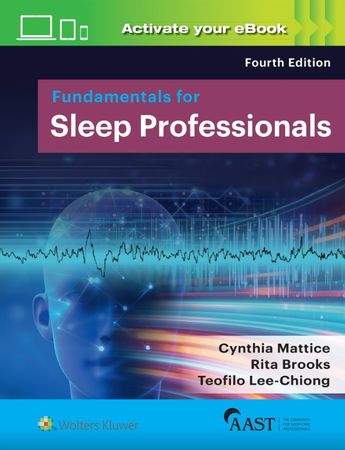
Best for: A current, wide-ranging sleep-technology anchor.
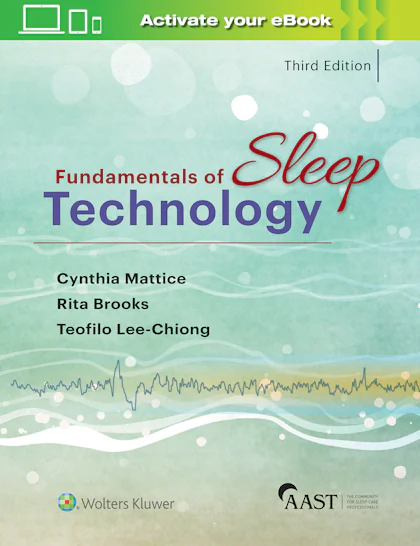
Best for: Deep review across multiple RPSGT domains.

Best for: Connecting physiology, testing, and clinical recognition.
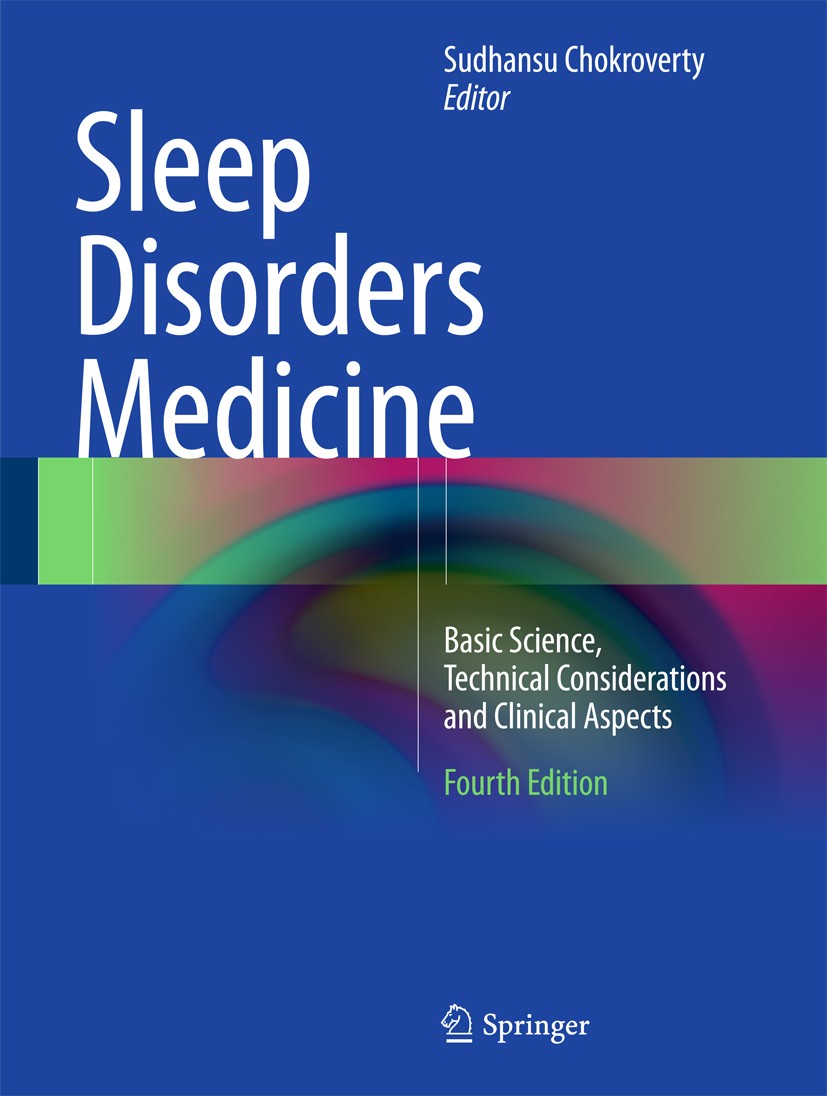
Best for: Deeper pathophysiology and clinical context after the basics.
Instrumentation, acquisition, troubleshooting, active recall, and technical procedures for the sleep lab.

Best for: Sensors, filters, signal quality, artifacts, monitoring, and troubleshooting.
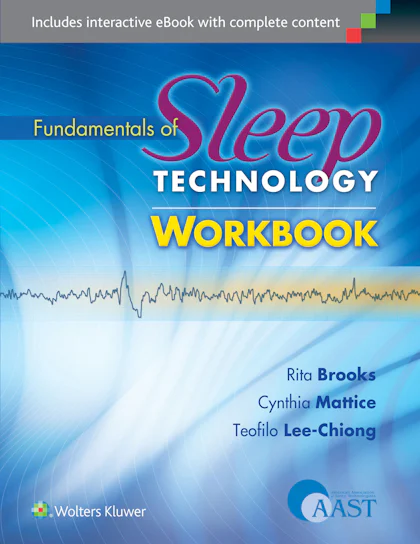
Best for: Learners who retain more by doing than by reading alone.
Best for: Fast background review when a full textbook is more than you need.
Development, family-centered care, pediatric PSG context, scoring, case interpretation, and treatment. BRPT links a separate reference-books document from its Pediatric Sleep Certificate page; use that official page as the controlling certificate source.
Best for: Pediatric history, development, family education, and behavioral sleep concerns.

Best for: Connecting PSG findings to one-best-response clinical reasoning.

Best for: Pediatric case recognition and developmental sleep concepts.

Best for: Deeper pediatric physiology, disorders, PSG, and treatment context.
These additions fill the biggest gaps between the existing bookstore and BRPT’s current CCSH Recommended Readings page. Existing BRPT CCSH Recommended Readings elsewhere on this page include Fundamentals of Sleep Technology, Sleep Disorders Medicine, and Sleep Medicine Pearls.
Best for: Sleep assessment, health promotion, lifespan sleep, patient care, and clinical sleep-health context.
Best for: Communication, teaching plans, health literacy, learning needs, behavior, and evaluating education.

Best for: Problem-oriented review, instrumentation, disorders, scoring context, and applied questions.
Best for: Clinical sleep-health preparation alongside textbooks and current guidelines.
BRPT’s approved Advanced Titration reference PDF names five textbooks. Three are already shelved above—Fundamentals of Sleep Technology, Sleep Medicine Pearls, and Principles and Practice of Pediatric Sleep Medicine. These two additions complete the textbook set.
Best for: Interface selection, fit, leak, comfort, ventilation delivery, and noninvasive respiratory support.
Best for: Understanding patient evaluation, surgical management, and upper-airway stimulation therapy for OSA.
Fundamentals of Sleep Technology, 3rd ed. is in the core shelf above. Sleep Medicine Pearls, 3rd ed. and Principles and Practice of Pediatric Sleep Medicine, 2nd ed. are in the pediatric shelf. BRPT’s official ATC reference document also includes clinical guidelines and articles beyond these five textbooks.
Add targeted depth after the core foundation is in place.
Best for: Respiratory testing, hypoventilation, PAP, and cardiopulmonary context.
Best for: Visual learners strengthening recognition of sleep findings and PSG-related patterns.

Best for: Rate, rhythm recognition, and sleep-lab cardiac awareness.
These are not substitutes for textbooks; they are the official references that keep exam preparation current when rules, terminology, diagnostic criteria, or credential requirements change.
Best for: Current scoring rules, terminology, montages, event definitions, and technical specifications.
Open AASM Scoring ManualBest for: Current diagnostic categories, criteria, terminology, and coding context. BRPT pages may name the earlier third edition; AASM’s current text is ICSD-3-TR.
Open current ICSDBest for: Confirming what BRPT currently identifies as suggested preparation material.
Best for: Verifying eligibility, blueprints, reference lists, and current certificate requirements directly with BRPT.
Independent sleep-technology and patient-education titles by an RPSGT author. These books are featured as additional Guild resources and are not labeled as BRPT Recommended Reading unless BRPT independently lists them on an official reference page. Always verify current AASM and BRPT requirements for version-sensitive exam content.
Best for: Broad exam-oriented review across sleep staging, instrumentation, respiratory scoring, PAP, pediatrics, troubleshooting, MSLT/MWT, and mock-exam practice.
Best for: Focused review of sleep staging, respiratory events, scoring decisions, terminology, and board-style practice.
Best for: Plain-language sleep apnea education for patients, families, and sleep professionals who teach them.
Best for: Spanish-language sleep apnea education for patients and families.
Use the curated categories below or search Amazon directly. These are convenience links for sleep technologists and night-shift professionals, separate from BRPT Recommended Readings and certificate references.
Search for any sleep-tech item, book, bag, shirt, accessory, or work essential. Your search opens on Amazon with the Sleep Pathways Guild tracking ID attached.
These are named products selected for organization, hydration, meals, and everyday shift logistics. They are optional convenience items—not required equipment, clinical recommendations, or BRPT/AASM endorsements.
Category searches are still available below, but these picks give sleep technologists a practical starting point. Product names and core features were checked against current manufacturer information on September 10, 2026. Amazon availability, variants, and prices can change, so each gold button runs an exact-product Amazon search with the Sleep Pathways Guild affiliate tag instead of displaying a fixed price.
A lightweight work-style backpack with a 15.6-inch laptop compartment, multiple organizer compartments, and bottle pockets.
A padded electronics organizer with dedicated spaces for cables, portable chargers, USB accessories, and other small tech.
A structured pouch with internal organization, elastic accessory loops, and a cable pass-through pocket for charging.
Stainless-steel, double-wall vacuum-insulated drinkware that is dishwasher-safe and designed to fit most cupholders.
A handled, double-wall vacuum-insulated tumbler with a reusable straw and three-position lid that fits most car cupholders.
An insulated work cooler with a separate top compartment, adjustable shoulder strap, top handle, and water-repellent outer fabric.
These links open focused Amazon searches rather than locking you into one brand or model. Choose items that fit your facility policies, infection-control requirements, and personal workflow.
Useful when you want separate compartments for notebooks, chargers, small personal items, and shift supplies without mixing everything together.
Browse work bagsA compact case can keep charging cords, adapters, flash drives, pens, and other small accessories from disappearing in a larger work bag.
Browse organizersA practical option for frequently scanned IDs or keys. Verify that any badge accessory meets your employer's dress and safety policies.
Browse badge reelsColor-coded or labeled pouches can separate personal gear, office supplies, chargers, and study materials inside a larger bag.
Browse pouchesUseful for paper notes and forms when permitted by the facility. Keep protected health information within approved workflows and storage rules.
Browse clipboardsFor pens, sticky notes, charging cords, and other nonclinical workstation items that tend to accumulate during long shifts.
Browse desk organizersThese are convenience items for shift routines—not medical treatments or sleep-disorder therapies. Choose what fits your personal needs and workplace rules.
A reusable insulated container can make it easier to keep a preferred drink at your workstation through a long overnight shift.
Browse drinkwareA compact cooler-style bag gives night-shift workers a dedicated place for meals and snacks when cafeteria options are limited.
Browse lunch bagsA simple daytime-sleep accessory for people who prefer additional light blocking. It is a comfort item, not a substitute for evaluation of sleep problems.
Browse sleep masksFor people who want to reduce ordinary environmental noise during off-hours. Follow product instructions and any safety requirements relevant to your setting.
Browse earplugsKeeping personal devices and accessories in one charging area can reduce cord clutter at home or at a nonclinical workstation.
Browse charging gearA small adjustable light can be useful for reading or studying without turning on a bright room light during quiet hours.
Browse reading lightsFun items for coworkers, graduates, Sleep Technologist Appreciation Week, credential milestones, or your own night-shift personality.
Browse polysomnography, sleep-lab, RPSGT, and night-shift themed apparel in multiple styles.
Browse shirtsUseful graduation or coworker gifts with sleep-lab, coffee, and night-shift themes.
Browse mugsLow-cost add-ons for notebooks, personal water bottles, laptops, or gift bags.
Browse stickersA casual alternative to a structured work bag for books, study materials, or everyday personal items.
Browse totesGood for study notes, exam planning, continuing-education notes, or a small credentialing gift.
Browse notebooksBrowse broader appreciation gifts for overnight healthcare and laboratory professionals when a sleep-specific design is not necessary.
Browse gift ideasA small starting shelf for Spanish-speaking patients, families, learners, and sleep professionals seeking patient-friendly education.
Maria I. Sosa's Spanish-language sleep-apnea guide is already featured in the author section and can also be found directly through this tagged search.
Find Maria Sosa's guideBrowse additional Spanish-language books about sleep apnea. Check author credentials, publication date, and clinical sources before relying on health information.
Buscar libros en españolBrowse general Spanish-language sleep and patient-education books. These are discovery links, not BRPT recommendations or clinical endorsements.
Buscar recursosStart with your BRPT blueprint and official references, then choose a book with a clear job. RPSGT, CPSGT, CCSH, Pediatric Sleep, and Advanced Titration preparation overlap, but each pathway emphasizes different knowledge and application.
Start with a broad sleep-technology reference when you need one book that connects physiology, patient care, PSG, therapy, and professional practice.
Choose a technical polysomnography title when sensors, filters, acquisition, artifact, signal quality, monitoring, or procedures are the weak area.
Use pediatric references for development, family-centered assessment, pediatric PSG context, and age-specific clinical reasoning.
Case-based books are useful for connecting findings to the larger clinical story and practicing best-answer reasoning.
A respiratory sleep reference can add gas exchange, hypoventilation, PAP, and cardiopulmonary context.
Atlases and ECG references support pattern recognition that complements, rather than replaces, current scoring standards and formal training.